
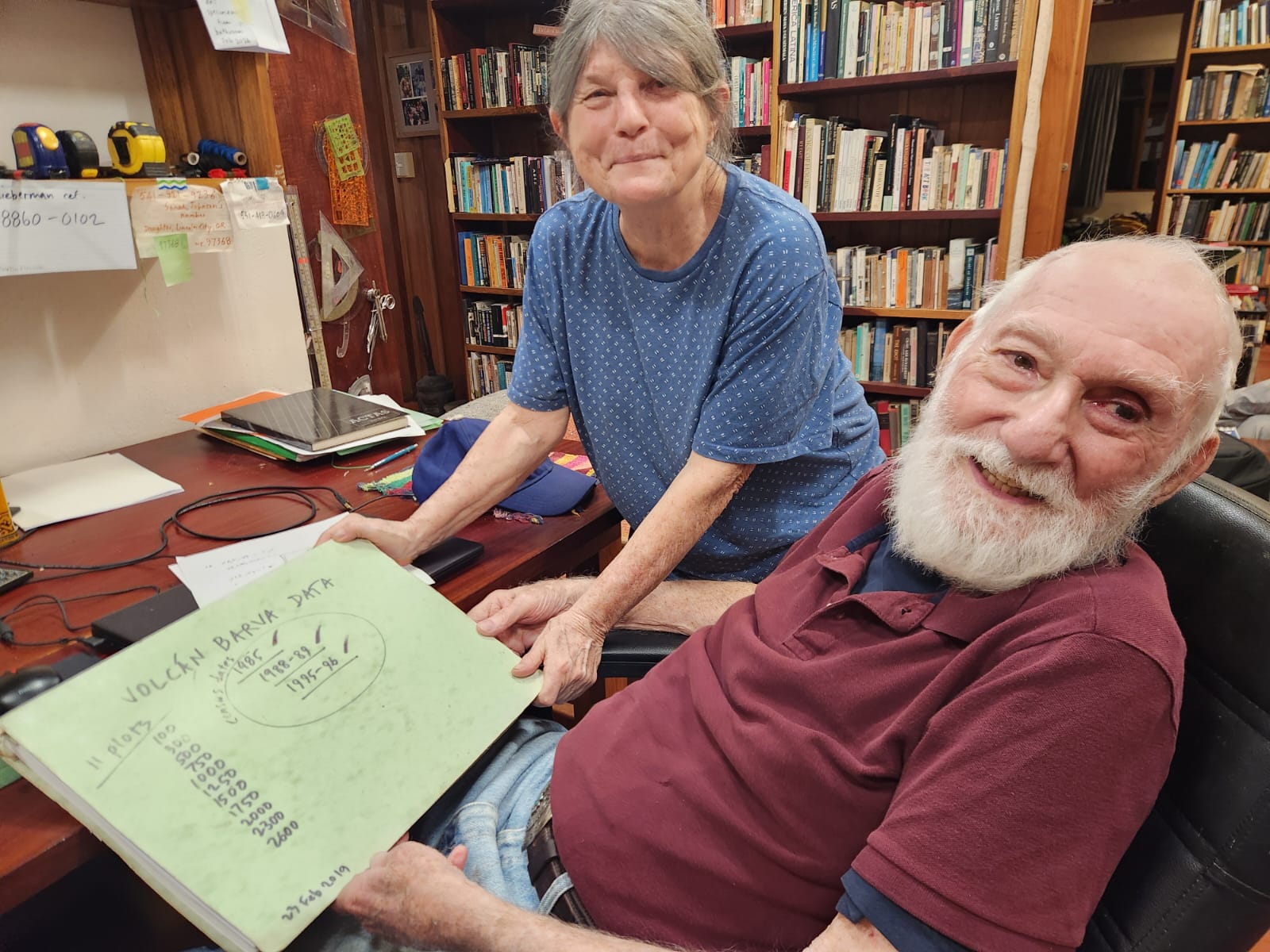
Long-term ecological data are among the most valuable resources in tropical forest science. They allow researchers to look beyond single field seasons and understand how forests change, recover, and persist through time. At the Organization for Tropical Studies, preserving this kind of scientific memory is one of the central goals of the Legacy Data Project.
One recent example is the publication of “Seedling composition, growth, and dynamics in tropical rain forest, La Selva, Costa Rica (1983–1996)” through the Environmental Data Initiative. This dataset documents recruitment, growth, and survivorship of tree and liana seedlings in old-growth tropical rain forest at La Selva Biological Station, one of OTS’s most important platforms for long-term ecological research.
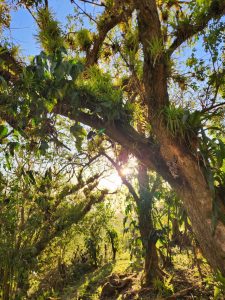
The study followed tree and liana seedlings in permanent transects located within La Selva’s forest inventory plots. Beginning in 1983, seedlings were tagged, identified, mapped, and measured, and researchers continued monitoring them for more than 13 years. In total, the project recorded more than 6,400 seedlings from 167 species. By the final census in 1996, only a small fraction remained alive, offering a powerful view of survival, mortality, and growth during the earliest life stages of tropical forest trees and lianas.
Behind this dataset are decades of scientific work by Diana and Milton Lieberman, whose careers have contributed significantly to the study of tropical forest dynamics, ecological simulation, and long-term forest research. Their work at La Selva forms part of a broader scientific legacy that helps connect seedling regeneration with adult forest structure and long-term demographic studies.
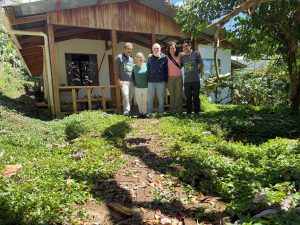
For OTS, the relationship with the Liebermans also reflects an important idea: collaboration with researchers does not end when fieldwork ends. Through the Legacy Data Project, historical datasets can be recovered, organized, documented, and made available for future research. In this process, OTS serves as a bridge between generations of scientists, helping ensure that data collected decades ago remain accessible, understandable, and useful today.
This work is not only technical. It depends on trust, careful communication, and the experience of researchers who understand the history behind the numbers. Working with Diana and Milton has offered OTS the opportunity to learn from scientists with a remarkable ability to synthesize complex ecological information and place these records within a broader understanding of tropical forest dynamics.
The publication of the La Selva seedling dataset is therefore both a scientific contribution and a step in a larger effort to preserve long-term ecological knowledge. By making these records available through open data platforms, OTS helps extend the life of field research and supports new questions about forest regeneration, species survival, and tropical forest change.
As the Legacy Data Project continues, collaborations like this highlight the role of OTS not only as a place where tropical research happens, but also as an institution committed to stewarding the scientific record that emerges from its stations. In this way, the story of the La Selva seedling dataset is also the story of how scientific relationships, carefully maintained over time, can continue to produce value long after the original fieldwork has ended.