Program Overview
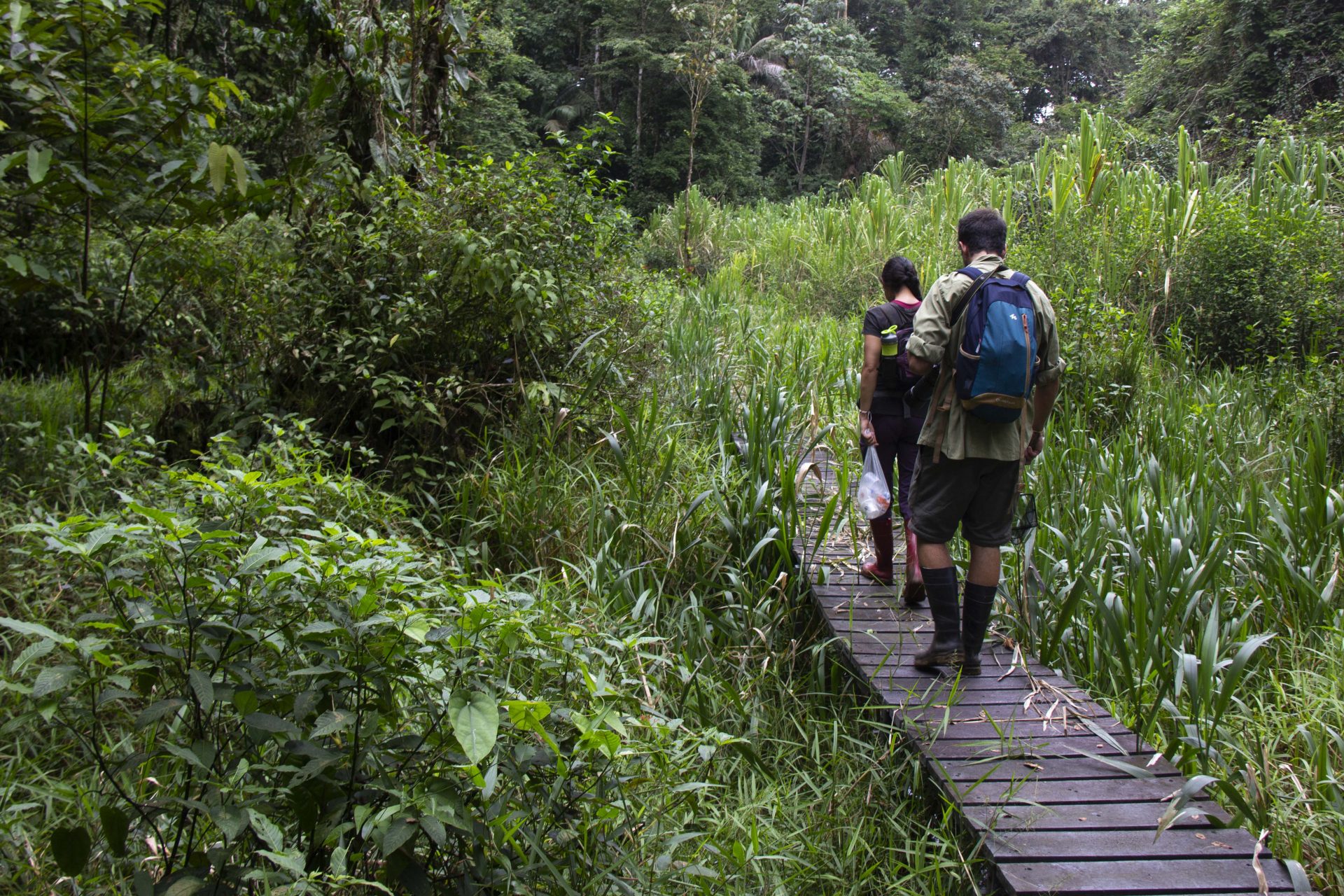
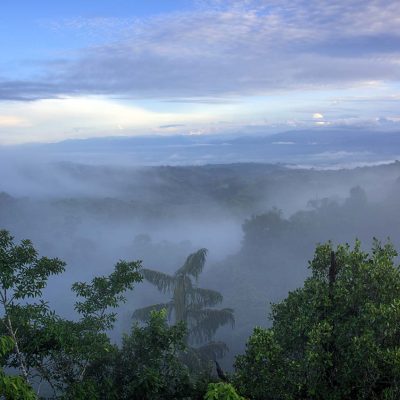
This 14-day experience is for undergraduates seeking real experience gaining and learning strictly from the field. It will be held at one of the most studied places in Costa Rica and the tropics in general: La Selva Research Station. Spaces are limited, so send your application soon.
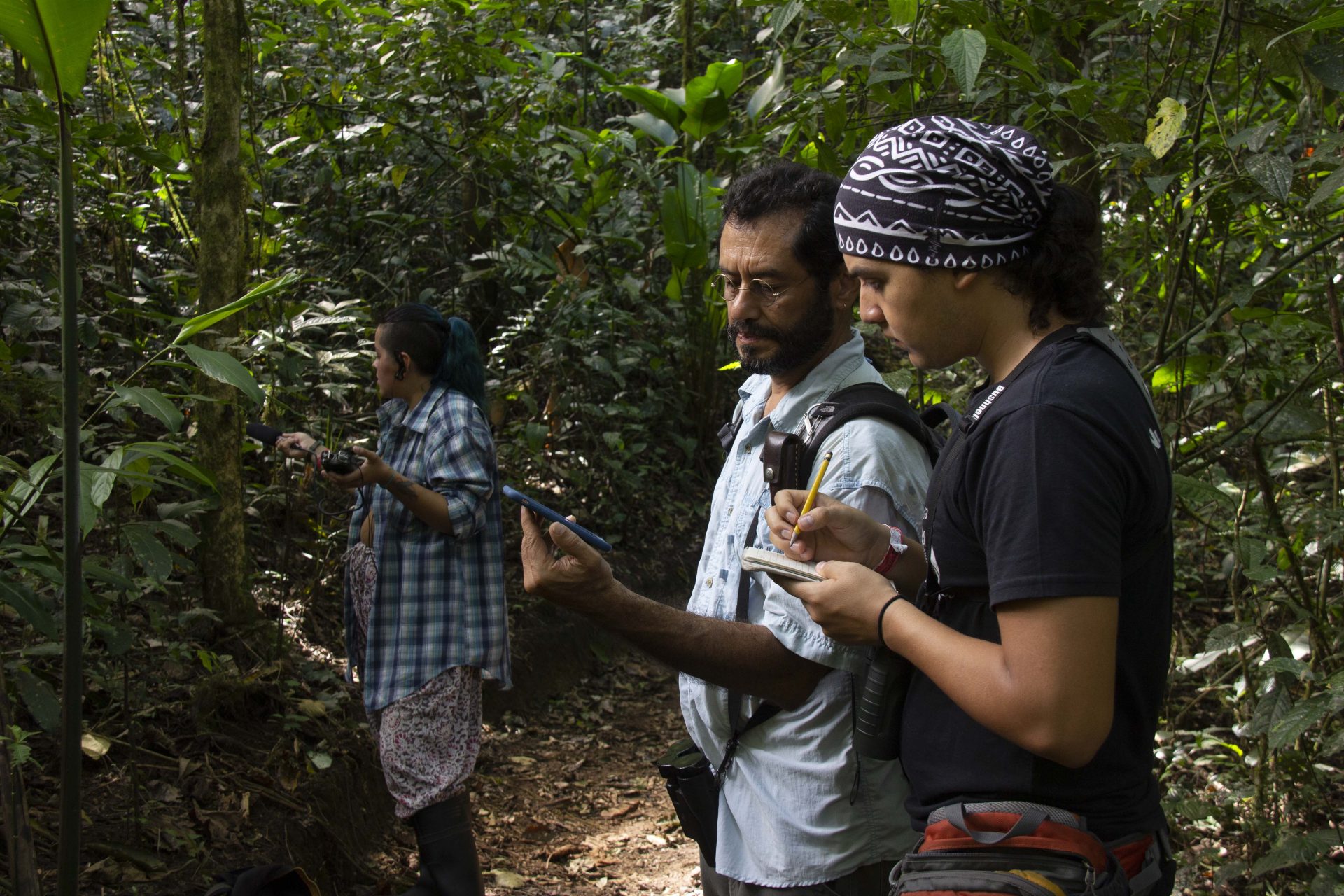
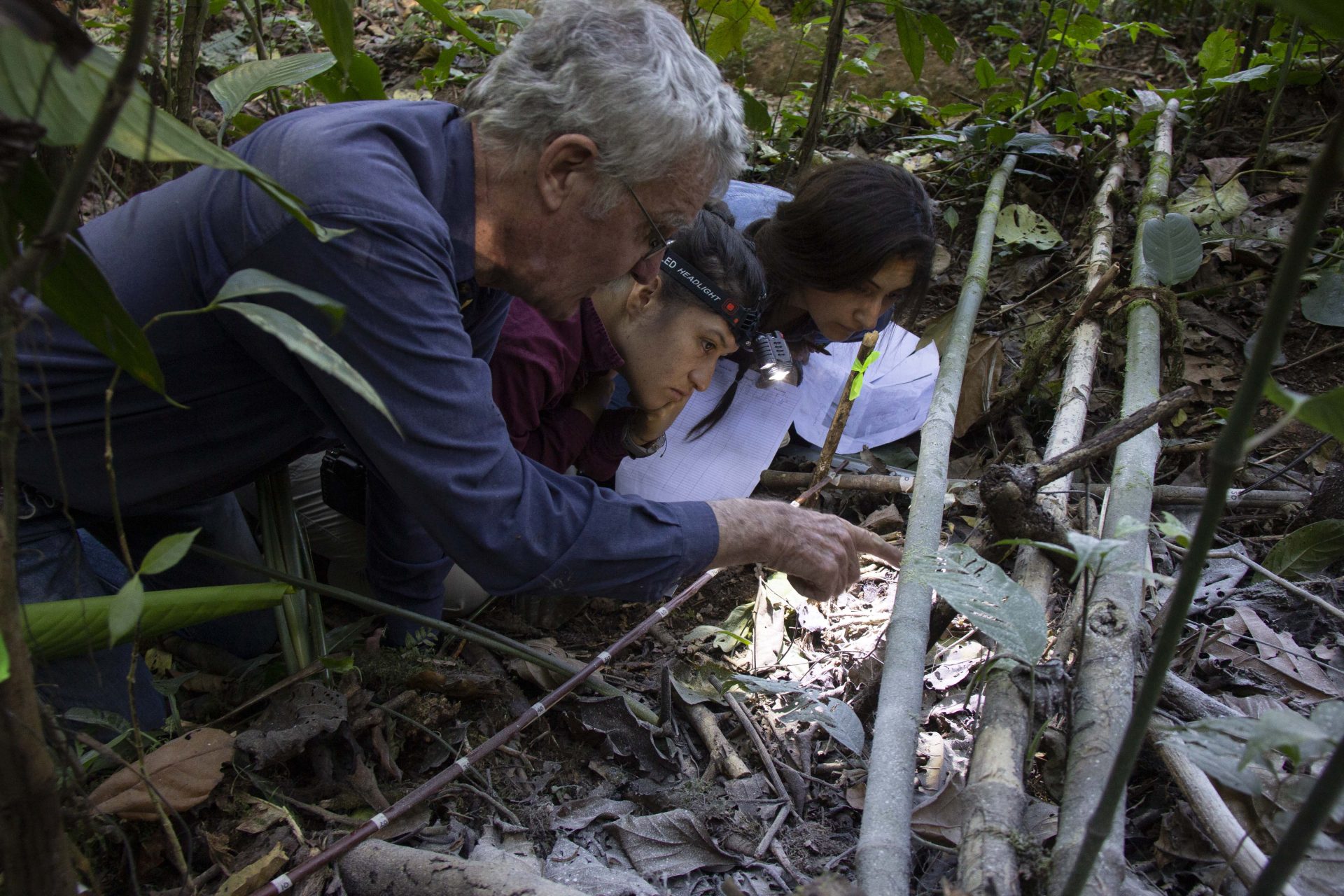
From this program, you can expect to gain the following: 1) research skills in the field, 2) communication skills through training in scientific writing and oral presentations, and 3) exposure to topics that affect the research stations and biodiversity conservation in the tropics.
La Selva Research Station provide undergraduate students with unparalleled access to tropical forest ecosystems, mentoring by experienced tropical researchers, and training in field research methodology. Each student will work with an on-station mentor on a project related to the expertise of the mentor. See the Faculty tab for more information about the mentors.
Prerequisites
Undergraduate student from Costa Rica or the US
Schedule:
Day 1: Travel to La Selva – pm Naturalistic walk and evening introduction talk
Day 2. La Selva: am – Introductions and first workshop
Day 3. La Selva – Workshops
Day 4-12. La Selva – Research Project field work, analysis and presentations
Day 13. La Selva – Project Presentations
Day 14. Return to San José and Final Dinner
Schedule:
Day 1: Travel to La Selva – pm Naturalistic walk and evening introduction talk
Day 2. La Selva: am – Introductions and first workshop
Day 3. La Selva – Workshops
Day 4-12. La Selva – Research Project field work, analysis and presentations
Day 13. La Selva – Project Presentations
Day 14. Return to San José and Final Dinner
Tuition
Participants are not expected to pay a tuition, on the contrary they will receive a stipend for their work and, if outside from Costa Rica, you flights will be covered.
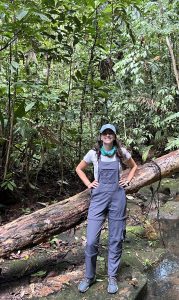
Lindsay McCulloch, Ph.D.
UC Riverside
Lindsay McCulloch is an Assistant Professor of Teaching at UC Riverside in the department of Environmental Sciences with research interests in ecology, biogeochemistry, and global change. She is interested in how plants and microbes interact to affect ecosystem level processes, like nutrient cycling, plant community dynamics, and forest recovery. Her work has included projects studying nitrogen fixation, seed-fungal interactions, and root dynamics using greenhouse studies, field experiments, and DNA sequencing. She has been working at OTS stations since she was an undergraduate and is passionate about making science a place for everyone.
Lindsay McCulloch es profesora asistente de enseñanza en la UC Riverside, en el Departamento de Ciencias Ambientales, con intereses de investigación en ecología, biogeoquímica y cambio global. Le interesa comprender cómo interactúan las plantas y los microbios para influir en los procesos a nivel de ecosistema, como los ciclos de nutrientes, la dinámica de las comunidades plantes y la recuperación forestal. Sus proyectos han incluido proyectos centrados en el estudio de la fijación de nitrógeno, las interacciones entre semillas y hongos, y dinámicas con raices, usando estudios en invernadero, experimentos de campo y secuenciación de ADN. Ha trabajado en las estaciones de la OET desde sus años de pregrado y siente una profunda pasión por hacer de la ciencia un espacio inclusivo para todas y todos.
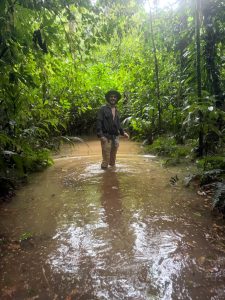
Jorge Mora, PhD Student
UC Riverside
Jorge Mora Sibaja es costarricense y actualmente se encuentra cursando su doctorado en Entomología en la Universidad de California, Riverside. Su investigación en ecología molecular se enfoca en cómo la variación ambiental y la dieta moldean el ensamblaje y la función de las comunidades microbianas asociadas a las abejas y sus recursos florales. Tiene un interés especial en cómo las estrategias alimenticias extremas, tales como la necrofagia en las abejas sin aguijón, influyen en las interacciones entre el hospedador y microbios, y lo que esto revela sobre la plasticidad del microbioma en paisajes cambiantes
Jorge Mora Sibaja is from Costa Rica, and currently he is a PhD student in Entomology at the University of California, Riverside, where his research in molecular ecology centers on how environmental variation and diet shape the assembly and function of microbial communities associated with bees and their floral resources. With special interest in how extreme dietary strategies, such as necrophagy in stingless bees, influence host–microbe interactions and what this reveals about microbiome plasticity in changing landscapes.
Housing & Meals
It is important to recognize that the OTS courses differs from your typical day-to-day living and especially on the fact that they are mostly intensive field courses. Though you may have prior experience of living with one or two roommates on campus, during the course you will be interacting closely with 10–15 others.
We have selected the research cabins for the students attending this course, in each cabin you will find from 3-5 different rooms, one to two private bathrooms and a common area. You will be sharing the room with 1 other person. We planned it like this, because we know it is important to have a more private environment after long days of field work and socializing.
During the day you will be immersed on lectures, workshops, hikes and constantly sharing common areas with your classmates, this means communication and respect will be crucial. We also need to have sincere respect for one another, regardless of different opinions and lifestyles. This includes respect for privacy, respect for rules and regulations, and even respect for the fact that unpredictability is an inherent feature of field-based programs such as ours. Indeed, next to communication and cooperation, flexibility and a good sense of humor are the most important characteristics of a successful student in our program.
Passport & Visa Information
You must have a valid passport to travel to Costa Rica. It is important that the passport does not expire within six months of entering Costa Rica. If you are NOT a citizen of a North American or European country, you will probably need a special visa to get into Costa Rica. We recommend that you contact your respective consulate or embassy services to determine if you need a visa to travel to Costa Rica. It is important to consider the requirements to get a visa approved before you apply for one of our courses. If you are accepted into one of our courses, we will provide any information necessary, within reason, to help with the visa application. Please keep in mind that the visa application process can take several months, depending on the country of issue. For more information on this topic please visit this website.
U.S. citizens entering Costa Rica are automatically granted a 90-day tourist visa. Students planning to stay in Costa Rica after the program end date need to take this into account.
Review the requisites about traveling and entering Costa Rica in the following links:
Entry requirements: https://www.visitcostarica.com/en/costa-rica/planning-your-trip/entry-requirements
US Embassy information: https://cr.usembassy.gov/covid-19-information/
Please consult OTS if you have any questions.