We knew we were in great hands from the moment Julissa and Phum picked us up from the tiny airport in the midst of Kruger National Park.
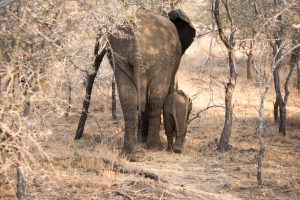
We were immediately treated to professional spotting of wildlife from the open safari truck on our drive to the OTS Skukuza station.
Picture this, you are walking along a deck overlooking the river, spying wildlife living among us, elephants meandering to the riverbank, and multiple birds overhead in the lush canopy. We knew since those first moments that this trip was going to be special.
Dr. Laurence Kruger, Director of OTS Curriculum and Skukuza, conducted a tour of the station facilities for us highlighting the sustainability of using South African building methods and materials such as termite mud and the importance of local members contributing their skills to build and maintain the station in true community. Laurence joined the trip as one of our trips leads and he along with the rest of the OTS team greatly contributed to making our experience so special.
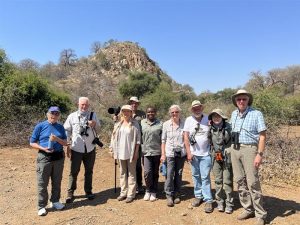
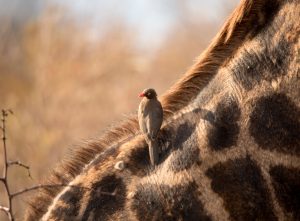
Every day was packed full of wonder as we adventured on game drives filled with birding, spotting over 110 bird species, wildlife encounters including the rare cheetah walking in the brush 40 feet away, a group of honey badgers crossing our path at dusk, sightings of 33+ other mammals, a visit to land plot experiments, fire management on the mighty savannas, and conservation research on the pivotal interaction of the wildlife on the landscape.
As we traveled the length of Kruger National Park through the ecozones, we learned of the history of its conservation, biome ecology, geological history, archaeological sites that spanned prehistoric man to the bushman, and enjoyed “sundowners” before heading back to the authentic delicious meals by candlelight cooked for us each night by the traveling staff.
Our meals were followed by fascinating talks about synthesizing years of groundbreaking research with new ongoing studies that inform current conservation of Kruger National Park or talks around the campfire of exciting firsthand experiences of the researchers’ encounters with leopard trapping and relocations, how to survive a charging elephant, and dung beetle experiments.
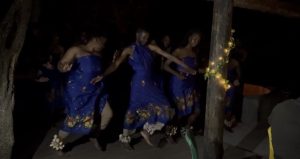
Best of all, one night was topped off with a surprise South African choir performance.
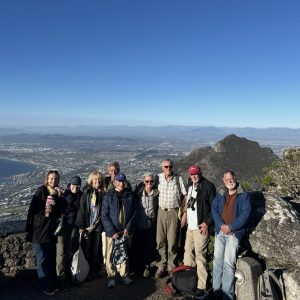
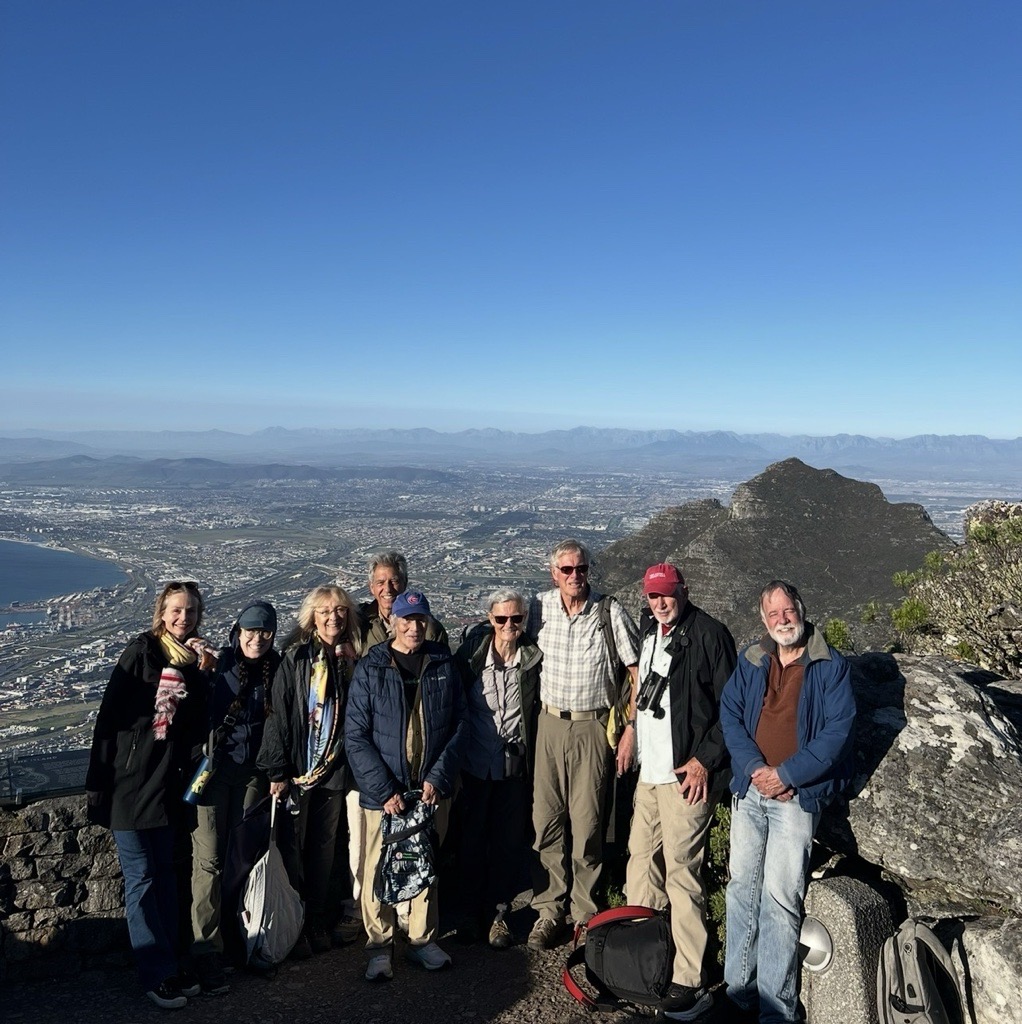
On top of all this, we learned of the South African cultural history on the next leg of the trip in Cape town with primary source testimonies and talks about the legacy of apartheid, a tour by leading experts and professors at the Kirstenbosch botanical gardens, the fascinating Fynbos biome, penguins colonies at Boulders Beach, and wine-tasting of South Africa’s world famous wines, among other incredible experiences.
All in all, it was an epic trip and an honor to be able to participate in this well-structured academic-oriented travel experience. We now understand more about the complex richness and beauty of South Africa and look forward to returning.