Program Overview
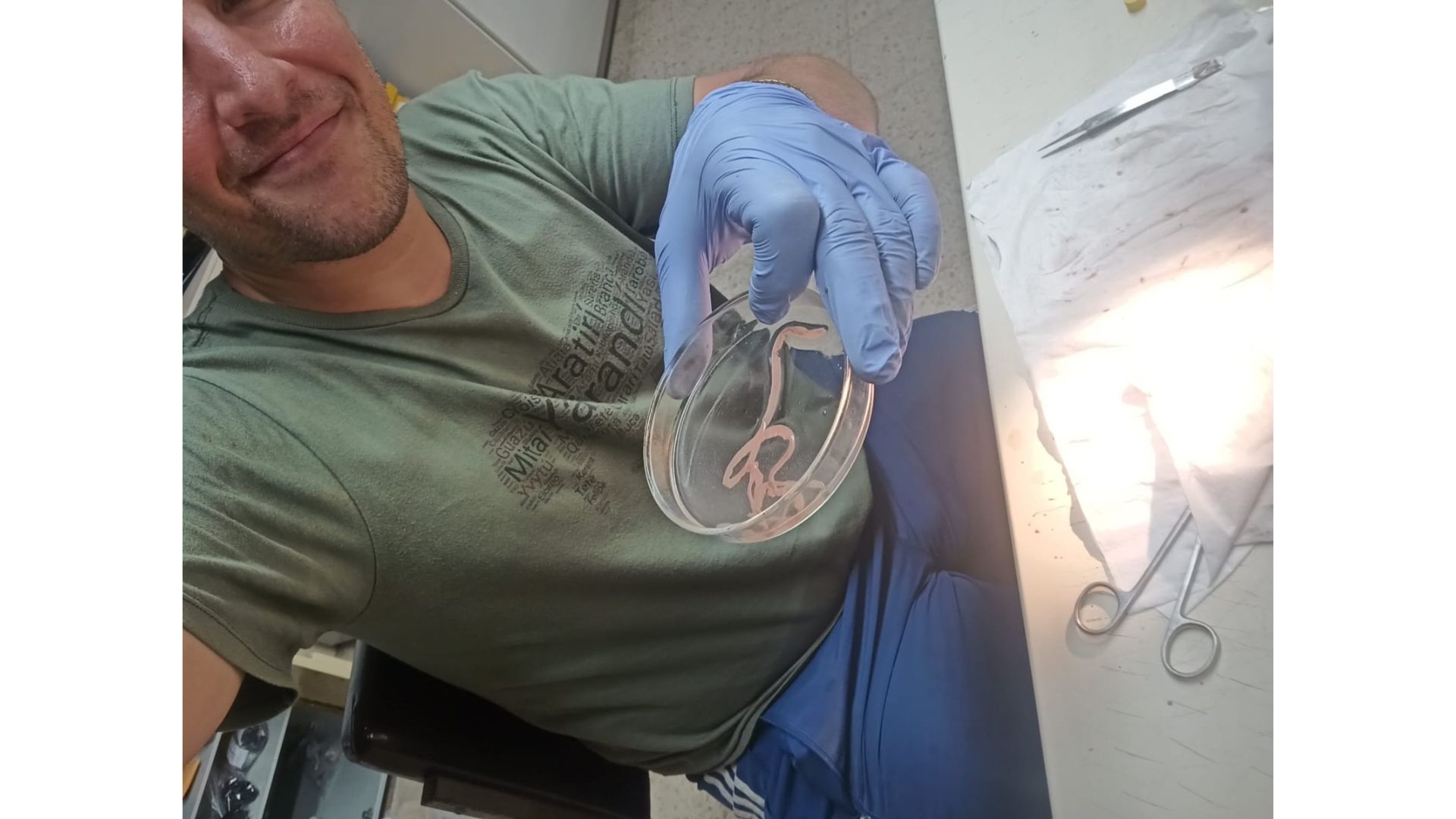
The application of molecular techniques and barcoding has transformed the study of various scientific disciplines, including parasitology. These approaches offer an advanced alternative to traditional methods based on morphological taxonomy. Traditionally, parasite identification has relied on the taxonomic determination of adult specimens obtained from deceased hosts. However, because well-preserved wild animals are difficult to obtain, it is essential to standardize and implement collection protocols that not only allow for the recovery of parasites for taxonomic determinations but also ensure their proper preservation for subsequent molecular analyses.
The use of techniques such as metabarcoding and genomic analysis enables precise species identification and promotes a more comprehensive understanding of parasite communities. These tools allow for the simultaneous analysis of multiple taxa within a single sample, improving studies in biodiversity, epidemiology, and parasite ecology. In this context, learning and integrating molecular and morphological approaches are essential to advancing modern parasitology, strengthening researchers’ ability to overcome the limitations of classical methods and to build verified genetic databases that connect taxonomy with field parasitology.
At the end of this 2-week course you will be have gone through the following subjects and topics:
The course aims to provide comprehensive and practical training in the study of parasites in wildlife, combining classical and molecular tools. The specific objectives are:
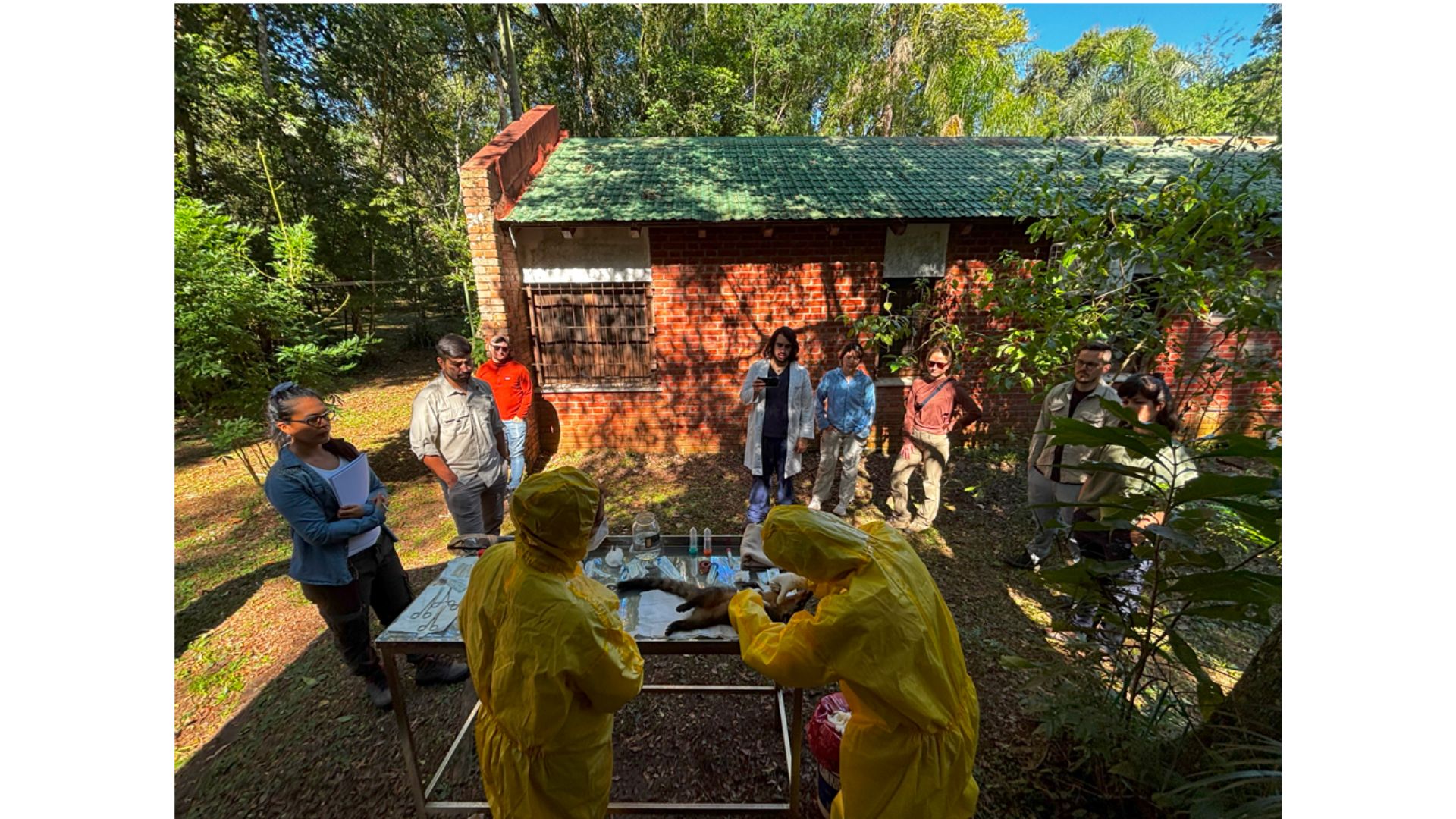
- Train participants in animal capture, necropsy, and parasite collection procedures.
- Teach techniques for morphological taxonomic identification.
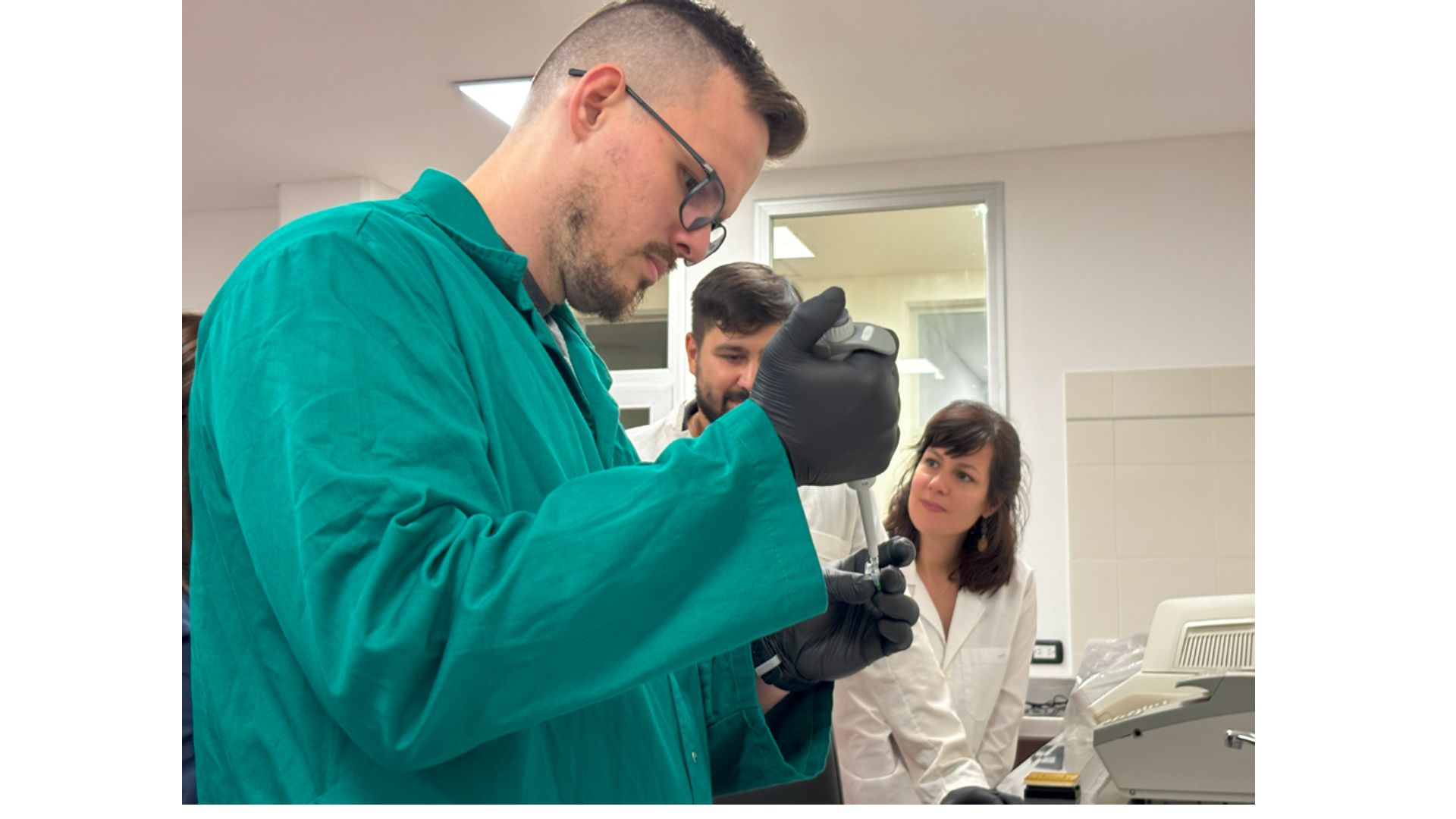
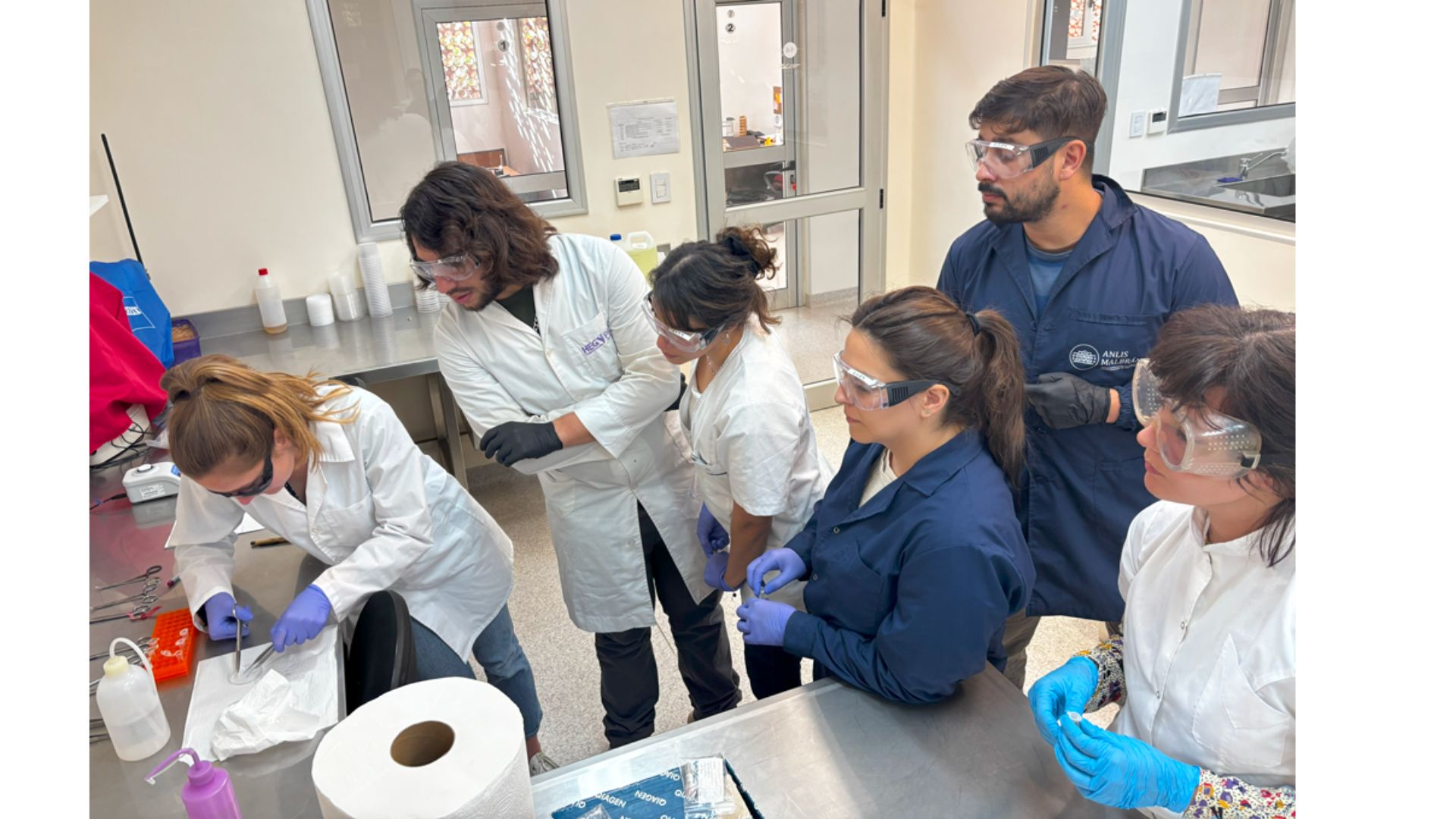
- Introduce and apply molecular biology methodologies, including DNA extraction, PCR, metabarcoding, and Nanopore sequencing.
- Integrate morphological and molecular results to address relevant ecological and evolutionary questions.
A key innovation of the course is the incorporation of Nanopore sequencing, a portable and accessible technology that enables real-time DNA sequencing even under field conditions. This tool represents a significant advance for applied parasitology, as it allows molecular identification of parasites directly at the sampling site, detection of multiple species within the same host, and the generation of genomic data useful for biodiversity, epidemiology, and conservation studies.
Students will develop the ability to apply molecular parasitology as a tool for biodiversity conservation and understanding, conduct ecological and evolutionary research in real-world contexts, and integrate different methodological approaches to generate and analyze molecular data. In this way, they will be prepared to contribute to the advancement of modern, interdisciplinary parasitology applied to wildlife management.
Prerequisites
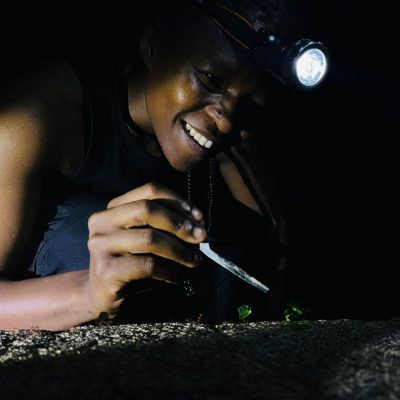
This intensive two-week course is designed for advanced students and early-career researchers in biology, veterinary sciences, ecology, taxonomy, public health, zoology, and related fields. It combines theoretical instruction with practical activities in the field and laboratory. Activities include the capture, handling, and necropsy of wild animals, parasite collection and preservation, taxonomic identification, and molecular sample processing.
Sites Visited
La Selva Research Station
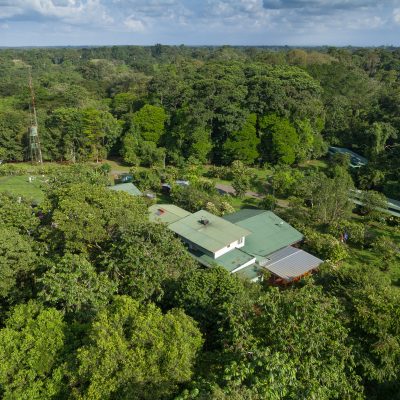
Located in the Caribbean lowlands, La Selva is OTS’ largest field station and is one of the best-known tropical research sites in the world. The station protects approximately 1,600 hectares of primary and secondary tropical rainforest. It averages 4,000 millimeters (over 13 feet) of rainfall a year. This lush environment facilitates the existence of thousands of species of plants and animals, making La Selva a great place to see all kinds of wildlife, including toucans, monkeys, ocelots, agoutis, peccaries, and the endangered green macaw. Two major rivers, the Sarapiquí and the Puerto Viejo border la Selva. These rivers form part of the San Juan River Basin. La Selva is connected via a biological corridor with Braulio Carrillo National Park, which contains 46,000 hectares of forestland and ascends almost 3,000 meters in elevation to Volcán Barva, which overlooks the town of Heredia in the Central Valley.
La Selva has an extensive trail system, and lots of lab space, and is, in general, a pretty busy place. (The station can sleep over 100 people.) Important crops grown in the area surrounding La Selva include bananas and the heart of palm. Services available at La Selva include phone, fax, and e-mail. Showers may or may not have hot water, and students have access to laundry machines. Housing consists of small dorm rooms with up to six students each.
Please visit the station’s site for more information: https://tropicalstudies.org/portfolio/la-selva-research-station/
Tuesday, May 26
12-2 pm: Participants arrive to La Selva at noon; have lunch; check-in to rooms
2-3:30 pm: Health, Safety, and Physical Spaces (“How to not die at La Selva”; Eze/Tyler/OTS)
· Meet at Comedor
3:30-4:00 pm: Cafecito break
4:00-5:00 pm: Lecture 1 (Tyler): Parasitology in the genomics age
7:30 pm: Hike to Canta Rana
· Meet at Comedor & get trail boots
Wednesday, May 27
8-9.45 am 10.30- 12 am: Lecture 2 (Eze + Ceci): Classical approaches to parasitology
12-1pm Lunch
1-5 pm: Visit to Toucan Ranch Nazareth, Tour by the enclosures and the reserve to observe animals. Guest Talk by Dr. Jorge Mercado. Cafecito for Q&A with Jorge
4-5 pm: Stop in town on return trip for supplies (only planned stop of the week)
6pm : Dinner at La Selva
7.30-9pm: Wildlife capture technique, Necropsy and sample collection Talk (Eze+Ceci).
Thursday, May 28
9-10:30 am: Lecture 3: Molecular Techniques by Tyler + Anna
10:30 am-11:30 am: Pre-lab on afternoon activities (Eze + Ceci + Anna)-
1-5 pm: Necropsy + wildlife capture (Eze + Ceci).
5-6 pm: Discussion: specimen + primer selection (Tyler + Eze + Anna)
7-8:30 pm: Start DNA extraction (Anna + Eze)
Friday, May 29
9-12 pm: Concurrent activities: microscope/morphology (Ceci + Eze)
2-5 pm: Concurrent activities: Extractions (Anna)
7:30 pm: Movie night (Project Hail Mary)
Saturday, May 30
8-12 pm: Concurrent activities: PCR/Gel 1 (Anna); natural history scavenger hunt (Tyler + Eze)
2-6 pm: Concurrent activities: PCR/Gel 2 (Anna); natural history scavenger hunt (Tyler + Eze)
7 pm: ‘Task Master’ natural history observation (Tyler + Anna)
Sunday, May 31
8-11 am: Guided bird hike (weather permitting)?
1-2 pm: Q&A (Tyler / Eze); Load nanopore presentation (Anna)
2-5 pm: Optional exploration near station and/or swim at the stream (hike)
5 pm: Celebratory ice cream / “gel-ato!”; Team-building exercise (Anna + Molly)
Monday, June 1
9-11 am: Lecture 4 (Tyler + Tim): Ecological Informatics
2-5 pm: Free time to work on individual projects; Lab practical with Anna (individual meetings)
Tuesday, June 2
8 am-12 pm: Distribute individual project sequences; BLAST barcodes
2-5 pm: Free time to work on projects
5 pm: Group photo in front of the giant ants
Wednesday, June 3
8:30-10:30 am: Final mini presentations by participants
10:30-11 am: Closing remarks: Where do we go from here?
11 am-12 pm: Participants bring luggage to lunch and return room keys
1 pm: Participants depart on OTS transportation to San Jose
Tuesday, May 26
12-2 pm: Participants arrive to La Selva at noon; have lunch; check-in to rooms
2-3:30 pm: Health, Safety, and Physical Spaces (“How to not die at La Selva”; Eze/Tyler/OTS)
· Meet at Comedor
3:30-4:00 pm: Cafecito break
4:00-5:00 pm: Lecture 1 (Tyler): Parasitology in the genomics age
7:30 pm: Hike to Canta Rana
· Meet at Comedor & get trail boots
Wednesday, May 27
8-9.45 am 10.30- 12 am: Lecture 2 (Eze + Ceci): Classical approaches to parasitology
12-1pm Lunch
1-5 pm: Visit to Toucan Ranch Nazareth, Tour by the enclosures and the reserve to observe animals. Guest Talk by Dr. Jorge Mercado. Cafecito for Q&A with Jorge
4-5 pm: Stop in town on return trip for supplies (only planned stop of the week)
6pm : Dinner at La Selva
7.30-9pm: Wildlife capture technique, Necropsy and sample collection Talk (Eze+Ceci).
Thursday, May 28
9-10:30 am: Lecture 3: Molecular Techniques by Tyler + Anna
10:30 am-11:30 am: Pre-lab on afternoon activities (Eze + Ceci + Anna)-
1-5 pm: Necropsy + wildlife capture (Eze + Ceci).
5-6 pm: Discussion: specimen + primer selection (Tyler + Eze + Anna)
7-8:30 pm: Start DNA extraction (Anna + Eze)
Friday, May 29
9-12 pm: Concurrent activities: microscope/morphology (Ceci + Eze)
2-5 pm: Concurrent activities: Extractions (Anna)
7:30 pm: Movie night (Project Hail Mary)
Saturday, May 30
8-12 pm: Concurrent activities: PCR/Gel 1 (Anna); natural history scavenger hunt (Tyler + Eze)
2-6 pm: Concurrent activities: PCR/Gel 2 (Anna); natural history scavenger hunt (Tyler + Eze)
7 pm: ‘Task Master’ natural history observation (Tyler + Anna)
Sunday, May 31
8-11 am: Guided bird hike (weather permitting)?
1-2 pm: Q&A (Tyler / Eze); Load nanopore presentation (Anna)
2-5 pm: Optional exploration near station and/or swim at the stream (hike)
5 pm: Celebratory ice cream / “gel-ato!”; Team-building exercise (Anna + Molly)
Monday, June 1
9-11 am: Lecture 4 (Tyler + Tim): Ecological Informatics
2-5 pm: Free time to work on individual projects; Lab practical with Anna (individual meetings)
Tuesday, June 2
8 am-12 pm: Distribute individual project sequences; BLAST barcodes
2-5 pm: Free time to work on projects
5 pm: Group photo in front of the giant ants
Wednesday, June 3
8:30-10:30 am: Final mini presentations by participants
10:30-11 am: Closing remarks: Where do we go from here?
11 am-12 pm: Participants bring luggage to lunch and return room keys
1 pm: Participants depart on OTS transportation to San Jose
Tuition
Participants are expected to pay 3450 USD it includes transcript issuing, materials, meals and lodging (starting with the lunch on May 23rd and ending with the breakfast on June 4th)
Transportation to and from the station is provided, the transfer will depart from OTS headquarters in San José.
Tyler Kartnizel, Ph.D.
Brown University
Professor at Brown University (USA) and leads the Genomic Opportunities Lab (GenOps). He is an internationally recognized molecular ecologist whose work lies at the intersection of ecology, genomics, and data science. His research explores species interactions, such as predator–prey, plant–herbivore, and host–parasite relationships, and their implications for conservation and environmental health.
Ezequiel Vanderhoeven, Ph.D.
Brown University/Instituto Biología Subtropical
Postdoctoral Researcher at Brown University, in the Kartzinel Lab. He is a Veterinarian and holds a Ph.D. in Biological Sciences. His research takes place in Costa Rica and Argentina, where he analyzes the parasites and diet of wildlife. He is part of the HelmBank project, which aims to generate genetic libraries through molecular analysis of mammalian parasites, contributing to advances in the study of helminth biodiversity and their ecological interactions.
Anna jackson, M.Sc.
Brown University
Lab manager in Dr. Tyler Kartzinel’s laboratory at Brown University in Rhode Island, USA. There, she works on genetic research of flora and fauna, with an emphasis on conservation and environmental health. Over the past year, Anna has been developing portable and accessible sequencing protocols for use anywhere in the world. She holds a Master’s degree in Genomics and has worked in various locations across the western United States, as well as in Central and South America. When not in the lab, Anna enjoys long-distance running, reading and discussing fiction books, and savoring a good cup of coffee.
Cecilia Triani, Ph.D. Student
Instituto Biología Subtropical
Holds a degree in Biological Sciences and is currently pursuing her Ph.D. at the University of Buenos Aires, Argentina. Her research specializes in helminths, focusing on parasite–host–ecosystem relationships. Her main approach is integrative taxonomy and the study of helminth diversity in wildlife.
Housing & Meals
It is important to recognize that the OTS courses differs from your typical day-to-day living and especially on the fact that they are mostly intensive field courses. Though you may have prior experience of living with one or two roommates on campus, during the course you will be interacting closely with 10–15 others.
We have selected the research cabins for the students attending this course, in each cabin you will find from 3-5 different rooms, one to two private bathrooms and a common area. You will be sharing the room with 1 other person. We planned it like this, because we know it is important to have a more private environment after long days of field work and socializing.
During the day you will be immersed on lectures, workshops, hikes and constantly sharing common areas with your classmates, this means communication and respect will be crucial. We also need to have sincere respect for one another, regardless of different opinions and lifestyles. This includes respect for privacy, respect for rules and regulations, and even respect for the fact that unpredictability is an inherent feature of field-based programs such as ours. Indeed, next to communication and cooperation, flexibility and a good sense of humor are the most important characteristics of a successful student in our program.
Passport & Visa Information
You must have a valid passport to travel to Costa Rica. It is important that the passport does not expire within six months of entering Costa Rica. If you are NOT a citizen of a North American or European country, you will probably need a special visa to get into Costa Rica. We recommend that you contact your respective consulate or embassy services to determine if you need a visa to travel to Costa Rica. It is important to consider the requirements to get a visa approved before you apply for one of our courses. If you are accepted into one of our courses, we will provide any information necessary, within reason, to help with the visa application. Please keep in mind that the visa application process can take several months, depending on the country of issue. For more information on this topic please visit this website.
U.S. citizens entering Costa Rica are automatically granted a 90-day tourist visa. Students planning to stay in Costa Rica after the program end date need to take this into account.
Review the requisites about traveling and entering Costa Rica in the following links:
Entry requirements: https://www.visitcostarica.com/en/costa-rica/planning-your-trip/entry-requirements
US Embassy information: https://cr.usembassy.gov/covid-19-information/
Please consult OTS if you have any questions.