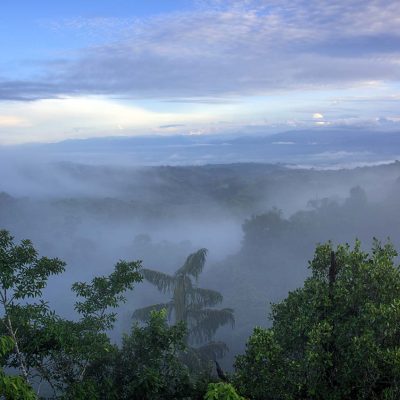
Program Overview
This 7-day course is for land managers, NGO practitioners, as well as students and professionals who want to have a career in ecosystem restoration. Partner organizations: OTS- Las Cruces; Finca Cántaros Environmental Association; Loma Linda Field Station
At the end of this 7-day course you will be have gone through the following subjects and topics:
Personal Sustainability
- Reducing the risk of injuries and burnout with mindful movement.
- Cultivating emotional resilience in the face of social challenges and ecological grief.
- Building strategies to advocate sustainable practices with diverse audiences.
Assessing the Restoration Site
- Evaluating site history and ecological health.
- Observing features, land uses, vegetation types, and planning integration with productive systems.
- Perceiving interactions of humans and wildlife.
- Make a plan / creating a restoration portfolio for your project.
Working with Nature and Livelihoods
- Combining local and modern knowledge bases for restoration approaches (e.g. Traditional Ecological Knowledge (TEK), Science, and Emergent Practices).
- Making and using organic additives and creating an integrated system
Building and Managing a Native Tree Nursery
- Basics of tree nurseries- structure, materials, personnel
- Soil and pest management and plant production
- Designing native plant communities and seed mixes for ecological restoration.
- Optimizing ecological services, biodiversity, and regenerative food production for wildlife and humans.
- Staging restoration activities over time.
Implementing Restoration Projects
- Controlling nonnative species, herbicides, natural deterrents, managing disturbances
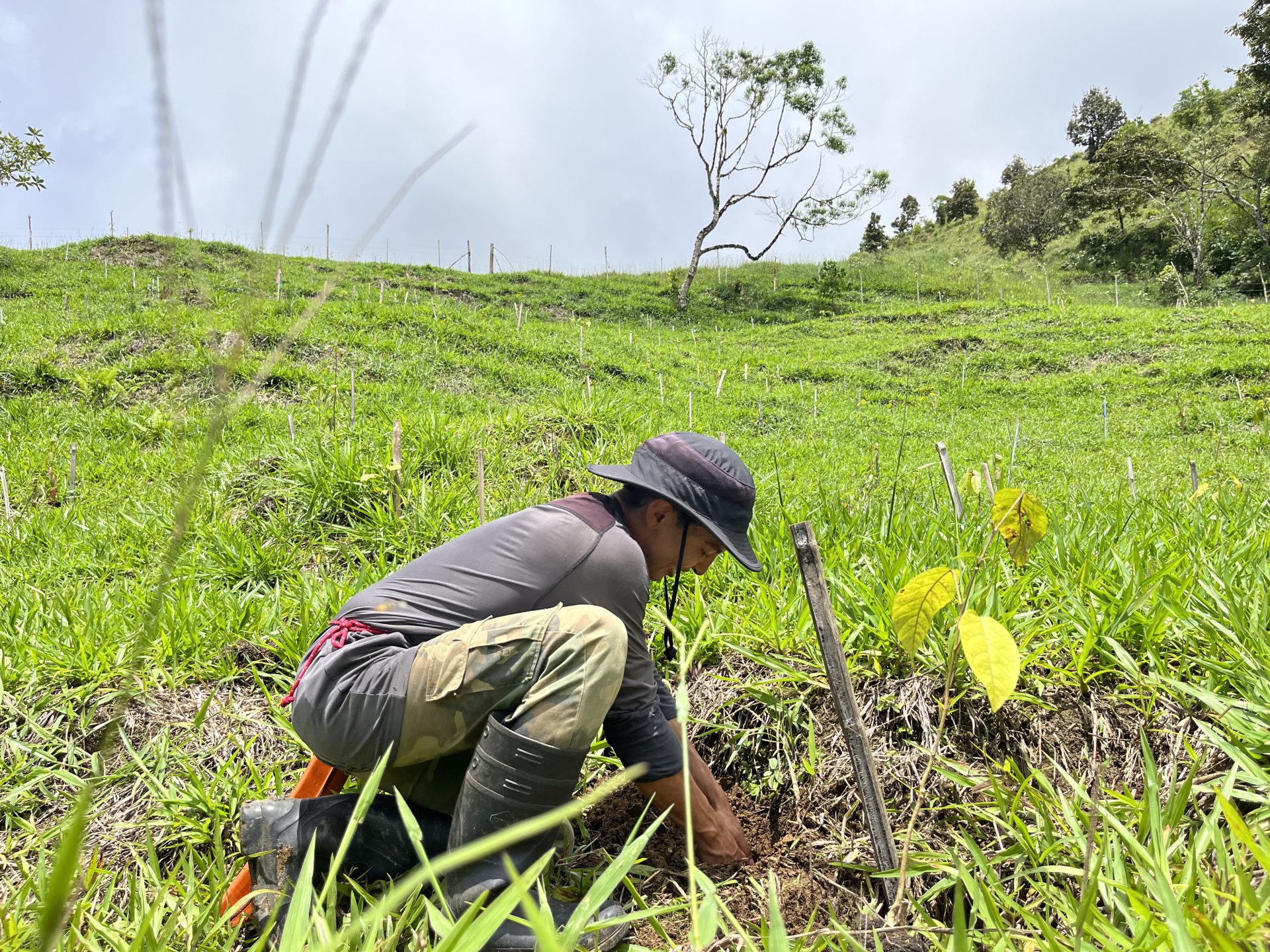
- Active restoration approaches in action- site preparation to planting to maintenance to monitoring
Going the next step
- Research and innovations- keeping up with what is new
- Finding information resources and sharing what you have learned
- Community engagement and working with stakeholders
Prerequisites
Background in natural sciences or similar fields. Acceptance is based on demonstration of the utility of this learning experience to your career, study, or project.
Schedule:
Day 1: Travel to las Cruces– pm garden walk and evening introduction talk
Day 2. Las Cruces: am – site visit and walk through F-Div at Bosque Magico, afternoon- lectures and invited talks, pm- creating a restoration plan
Day 3. Cantaros – Building a tree nursery, setting up a restoration project from start to finish, helping to transplant seedlings in nursery
Day 4. Loma Linda – Going the next step research and innovations; monitoring; pm – examples of large-scale projects, pm creating a restoration plan
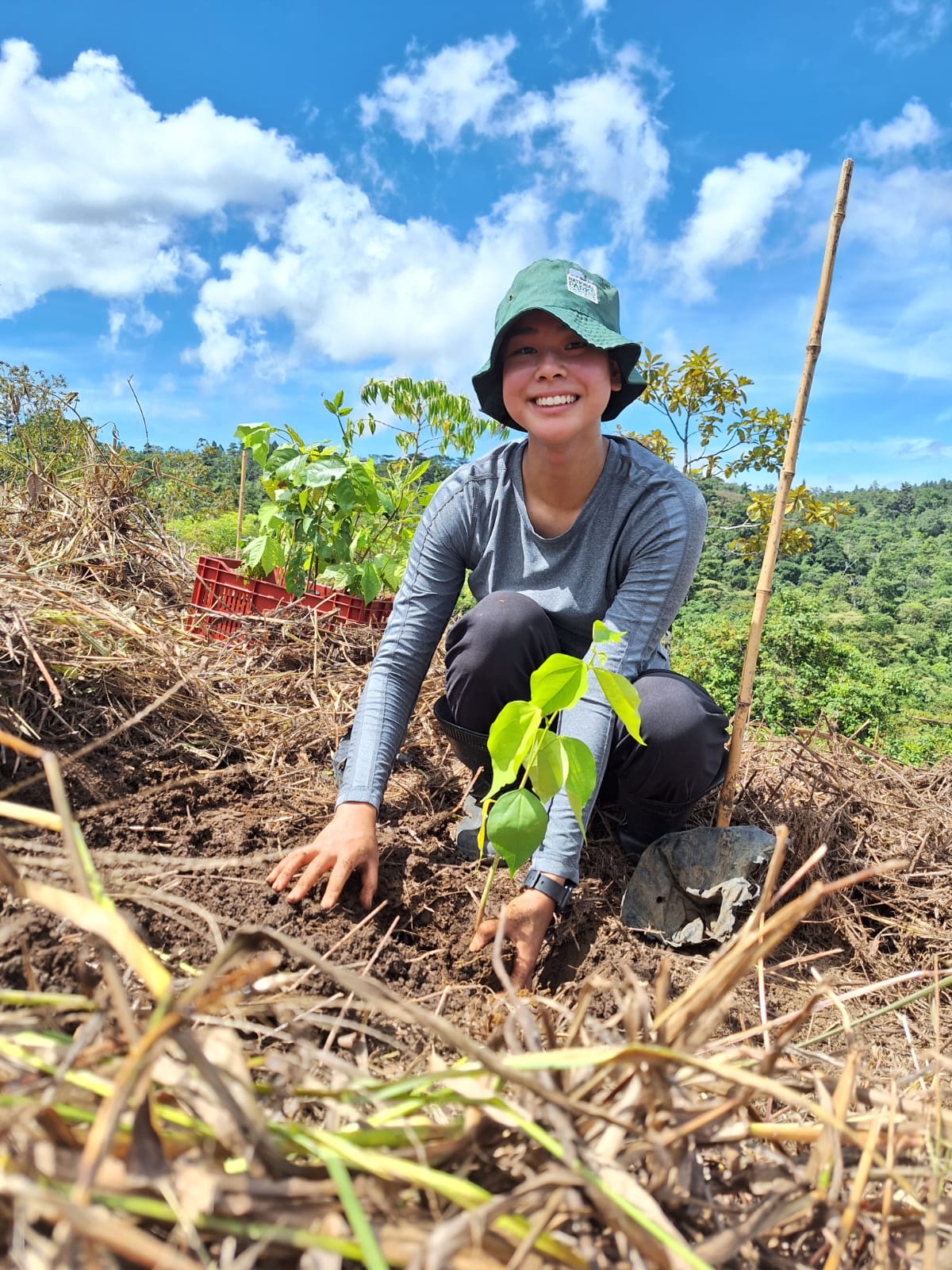
Day 5. Cantaros: am- get your hands dirty field work and planting; pm- personal sustainability and communications; evening work on restoration plan
Day 6. Las Cruces: Free morning: afternoon share your restoration plan, invited talk, farewell dinner
Day 7. Return to San Jose.
Schedule:
Day 1: Travel to las Cruces– pm garden walk and evening introduction talk
Day 2. Las Cruces: am – site visit and walk through F-Div at Bosque Magico, afternoon- lectures and invited talks, pm- creating a restoration plan
Day 3. Cantaros – Building a tree nursery, setting up a restoration project from start to finish, helping to transplant seedlings in nursery
Day 4. Loma Linda – Going the next step research and innovations; monitoring; pm – examples of large-scale projects, pm creating a restoration plan
Day 5. Cantaros: am- get your hands dirty field work and planting; pm- personal sustainability and communications; evening work on restoration plan
Day 6. Las Cruces: Free morning: afternoon share your restoration plan, invited talk, farewell dinner
Day 7. Return to San Jose.
Tuition
Participants are expected to pay 1800 USD it includes materials, meals and lodging (starting with the lunch on Aug 3rd and ending with the breakfast on Aug 9th)
Transportation to and from the station is provided, the transfer will depart from OTS headquarters in San José.
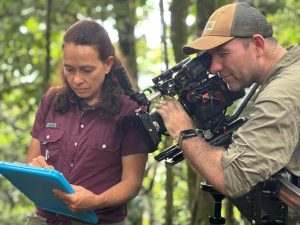 Rebecca Cole, Ph.D.
Center of Tropical Restoration Science-OTS
Rebecca is a restoration ecologist with 20 years of experience leading initiatives in ecosystem restoration, conservation, education, and outreach. She is an active scientist and practitioner committed to building collaborations that strengthen collective impact and advance sustainability, climate action, and biodiversity conservation. Her work has been featured in scientific journals as well as media outlets such as NOVA, NPR, and National Geographic. Rebecca aims to scale the restoration of tropical ecosystems and empower current and future generations of environmental leaders.
Housing & Meals
It is important to recognize that the OTS courses differs from your typical day-to-day living and especially on the fact that they are mostly intensive field courses. Though you may have prior experience of living with one or two roommates on campus, during the course you will be interacting closely with 10–15 others.
We have selected the research cabins for the students attending this course, in each cabin you will find from 3-5 different rooms, one to two private bathrooms and a common area. You will be sharing the room with 1 other person. We planned it like this, because we know it is important to have a more private environment after long days of field work and socializing.
During the day you will be immersed on lectures, workshops, hikes and constantly sharing common areas with your classmates, this means communication and respect will be crucial. We also need to have sincere respect for one another, regardless of different opinions and lifestyles. This includes respect for privacy, respect for rules and regulations, and even respect for the fact that unpredictability is an inherent feature of field-based programs such as ours. Indeed, next to communication and cooperation, flexibility and a good sense of humor are the most important characteristics of a successful student in our program.
Passport & Visa Information
You must have a valid passport to travel to Costa Rica. It is important that the passport does not expire within six months of entering Costa Rica. If you are NOT a citizen of a North American or European country, you will probably need a special visa to get into Costa Rica. We recommend that you contact your respective consulate or embassy services to determine if you need a visa to travel to Costa Rica. It is important to consider the requirements to get a visa approved before you apply for one of our courses. If you are accepted into one of our courses, we will provide any information necessary, within reason, to help with the visa application. Please keep in mind that the visa application process can take several months, depending on the country of issue. For more information on this topic please visit this website.
U.S. citizens entering Costa Rica are automatically granted a 90-day tourist visa. Students planning to stay in Costa Rica after the program end date need to take this into account.
Review the requisites about traveling and entering Costa Rica in the following links:
Entry requirements: https://www.visitcostarica.com/en/costa-rica/planning-your-trip/entry-requirements
US Embassy information: https://cr.usembassy.gov/covid-19-information/
Please consult OTS if you have any questions.