Program Overview
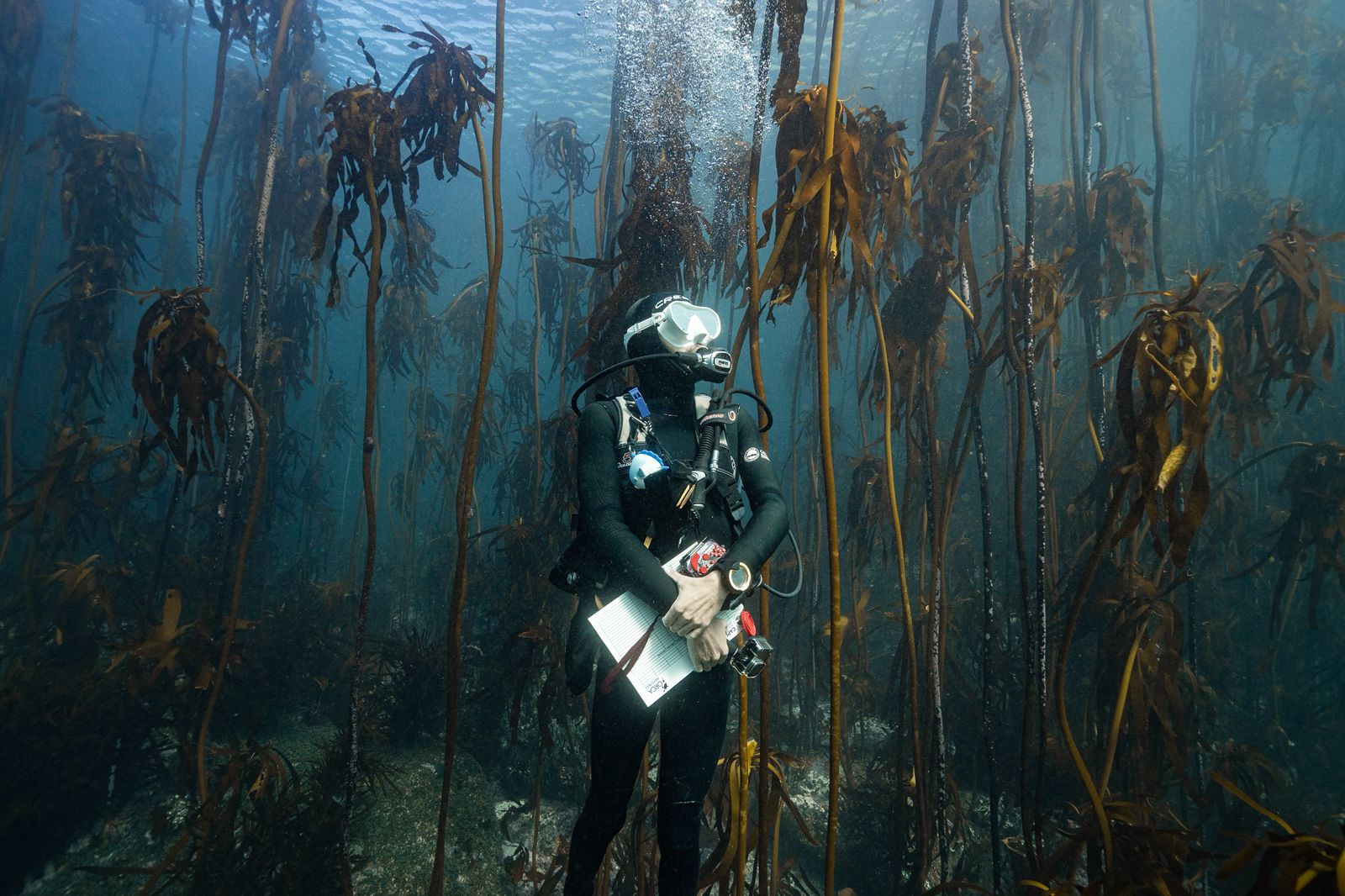
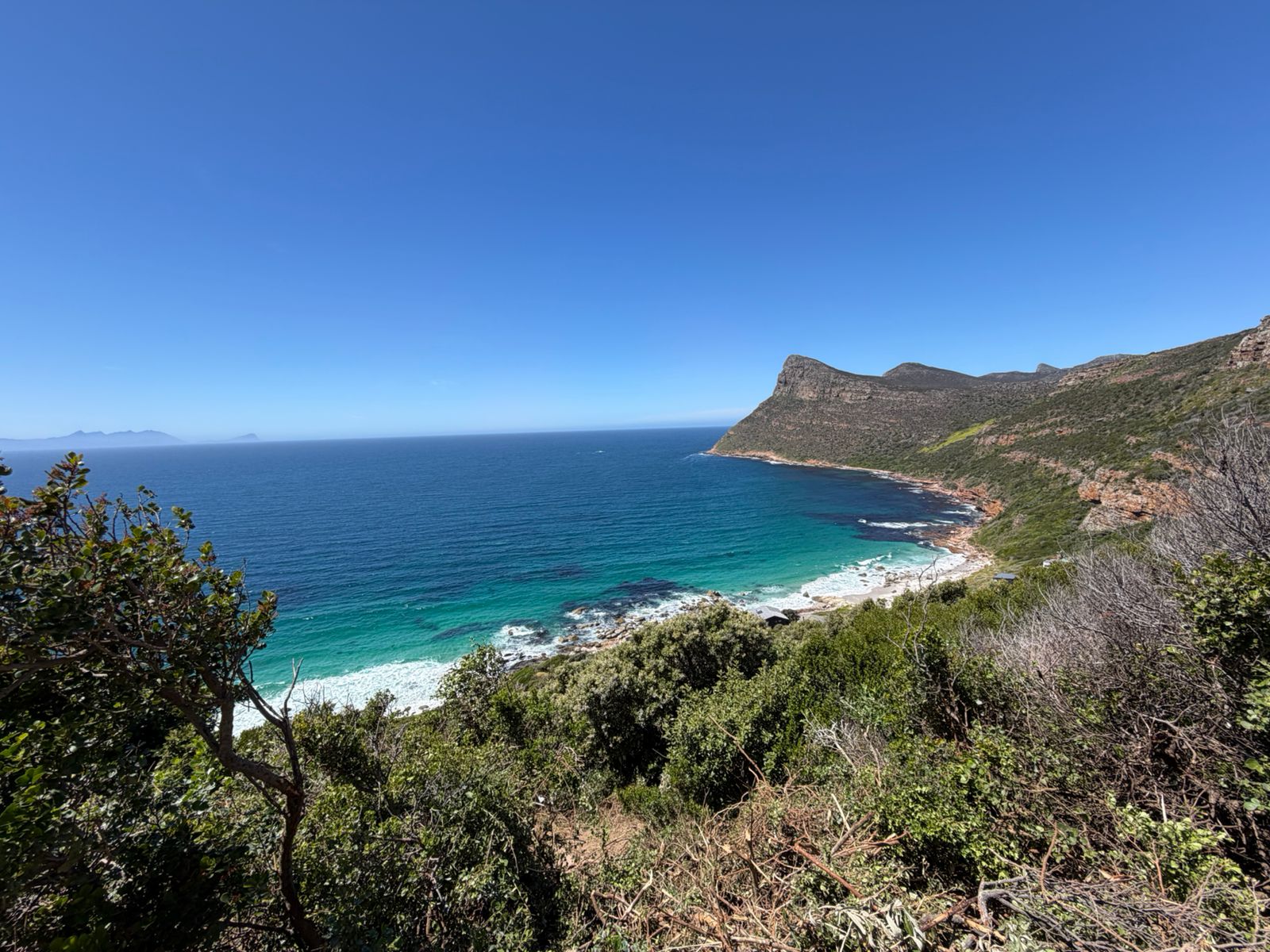
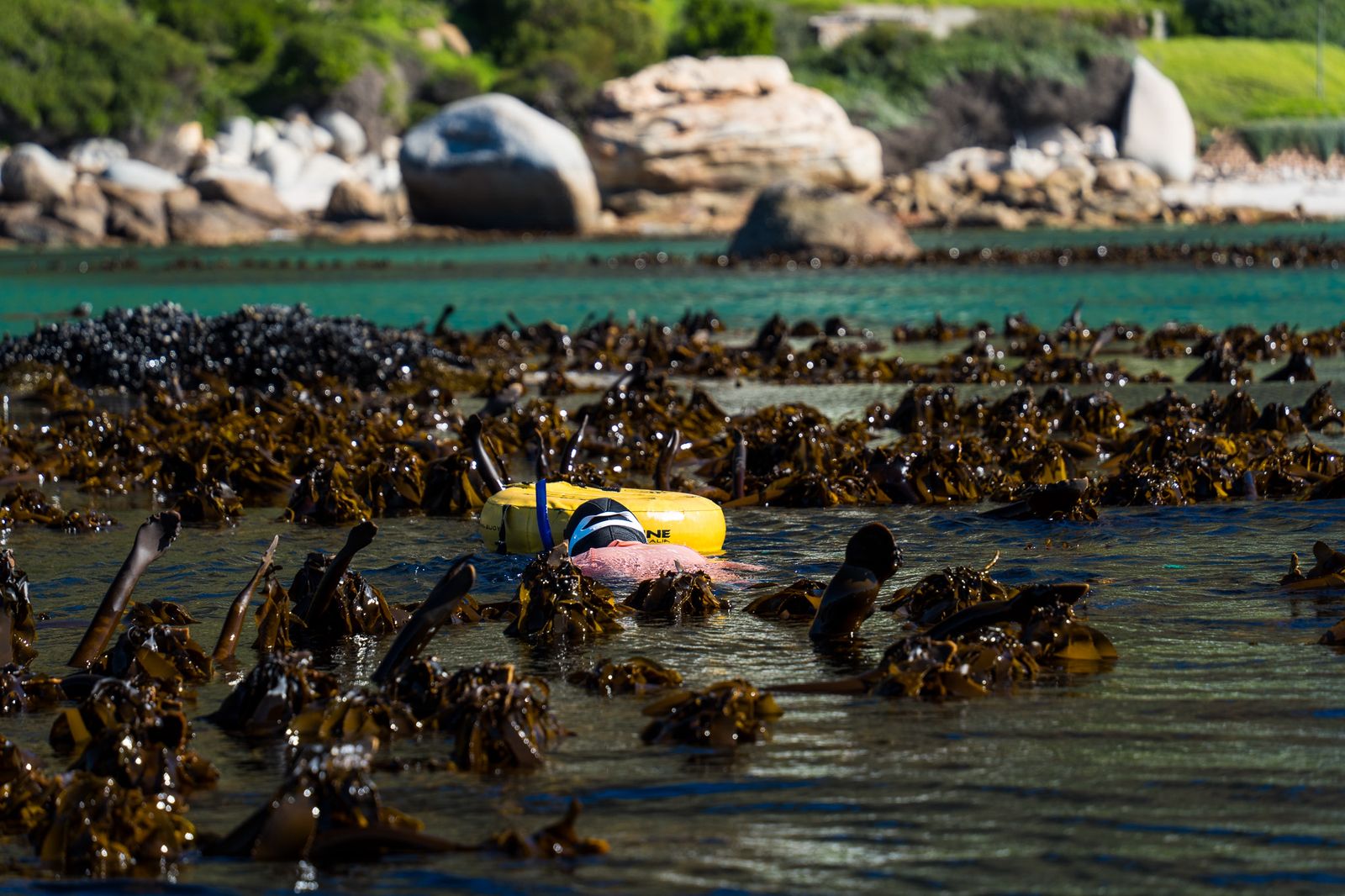
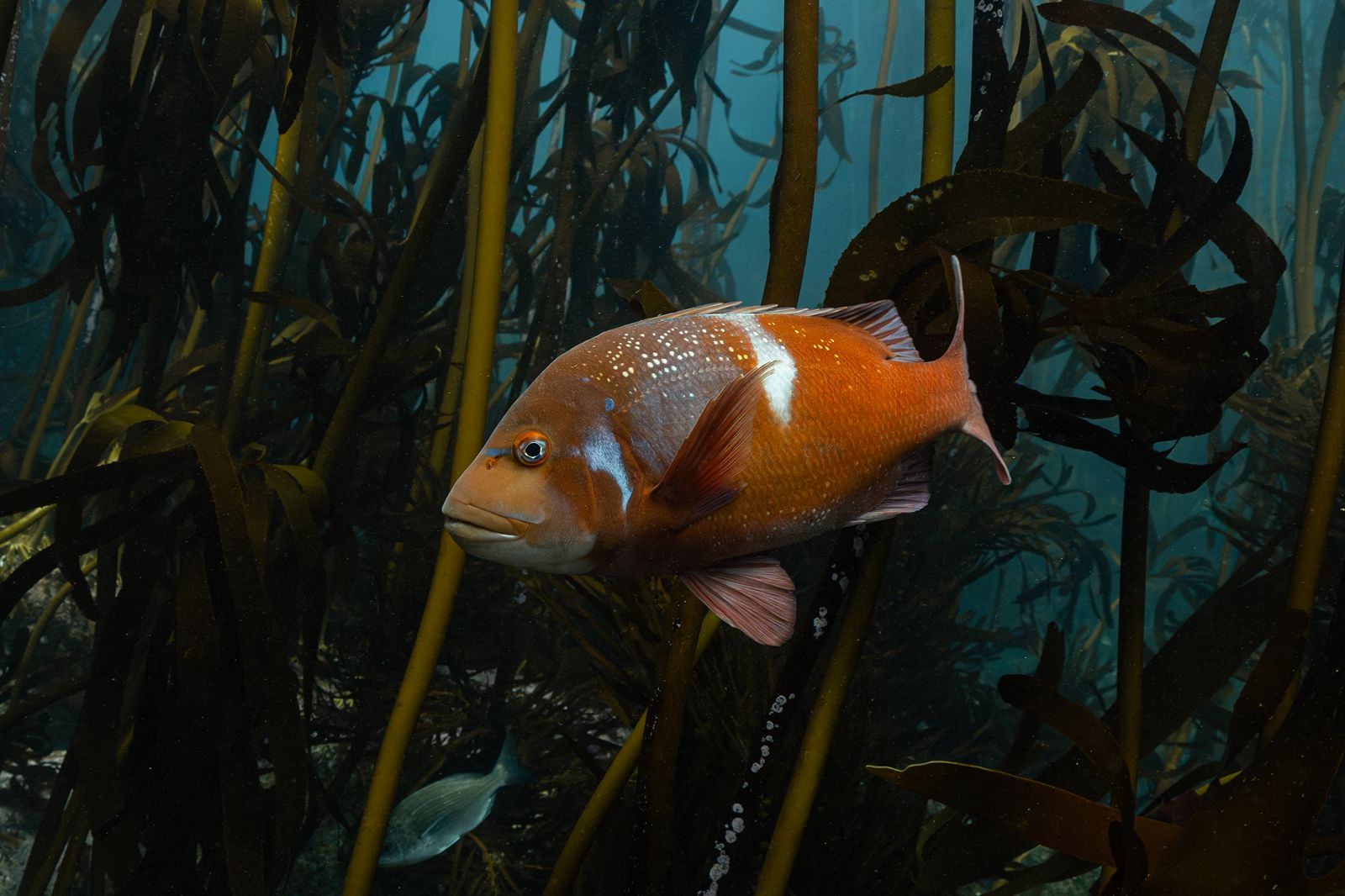
South Africa’s marine ecosystems are globally significant for their biodiversity, productivity, and ecological complexity. The West coast, driven by the cold, nutrient-rich Benguela Current, experiences seasonal upwelling that drives high primary productivity, supporting extensive kelp forests, significant pelagic fish stocks and productive intertidal zones. These habitats provide critical feeding and breeding grounds for fish, seabirds, and marine mammals and support the majority of South Africa’s commercial fishing enterprises. The South Coast is influenced by the warm Agulhas Current, supporting a mix of temperate and subtropical species, rocky reefs, seagrass beds, and estuarine systems that sustain greater marine biodiversity. Ecosystem dynamics differ significantly between these coasts, providing students with the ideal opportunity to study a diversity of marine ecosystems. We also explore the conservation challenges of marine ecosystems posed by overfishing, poaching, climate change, and development. Marine Protected Areas (MPAs) form the backbone of strategies toward 30×30 goals, but remain contested.
Curriculum
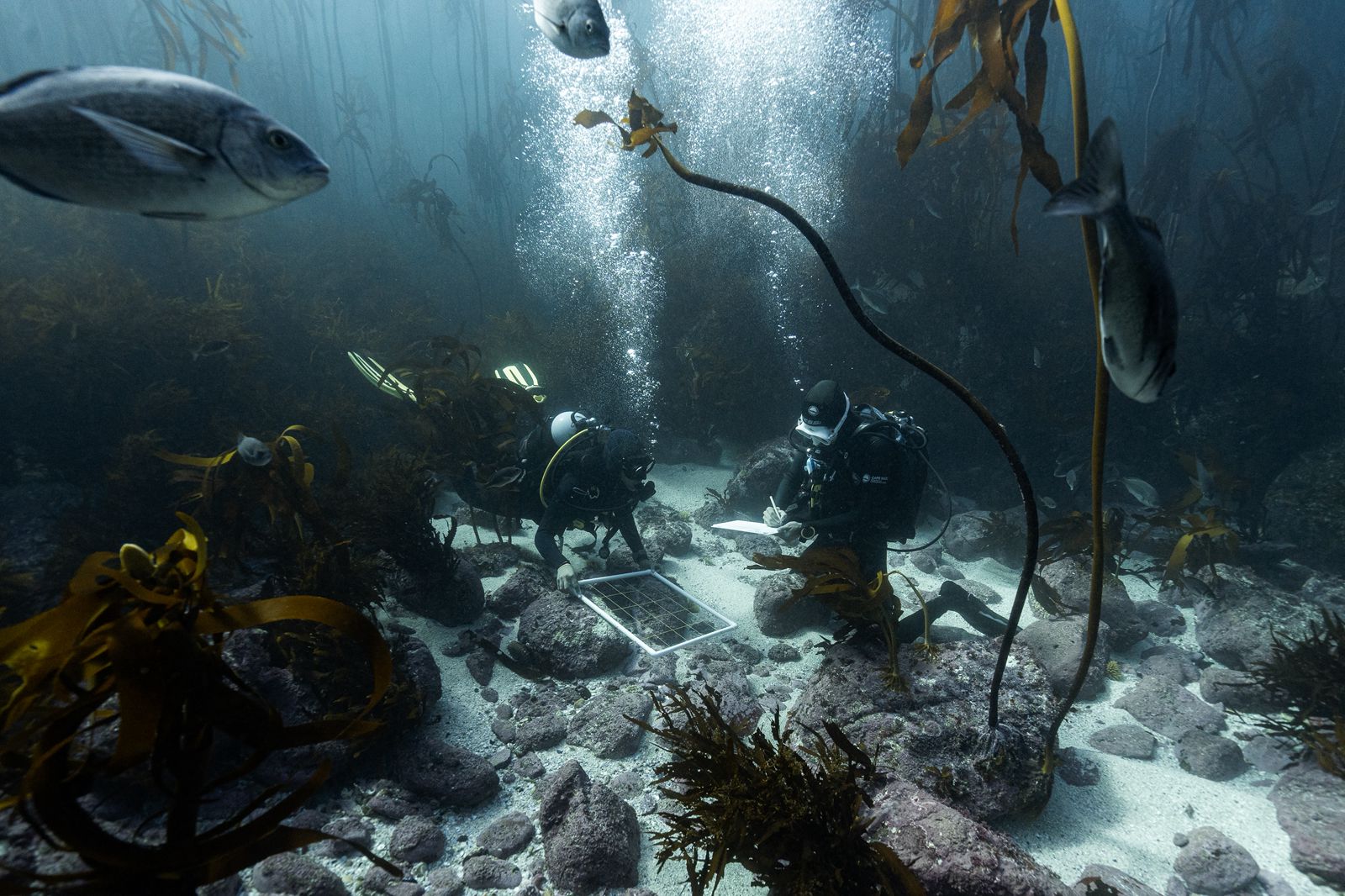
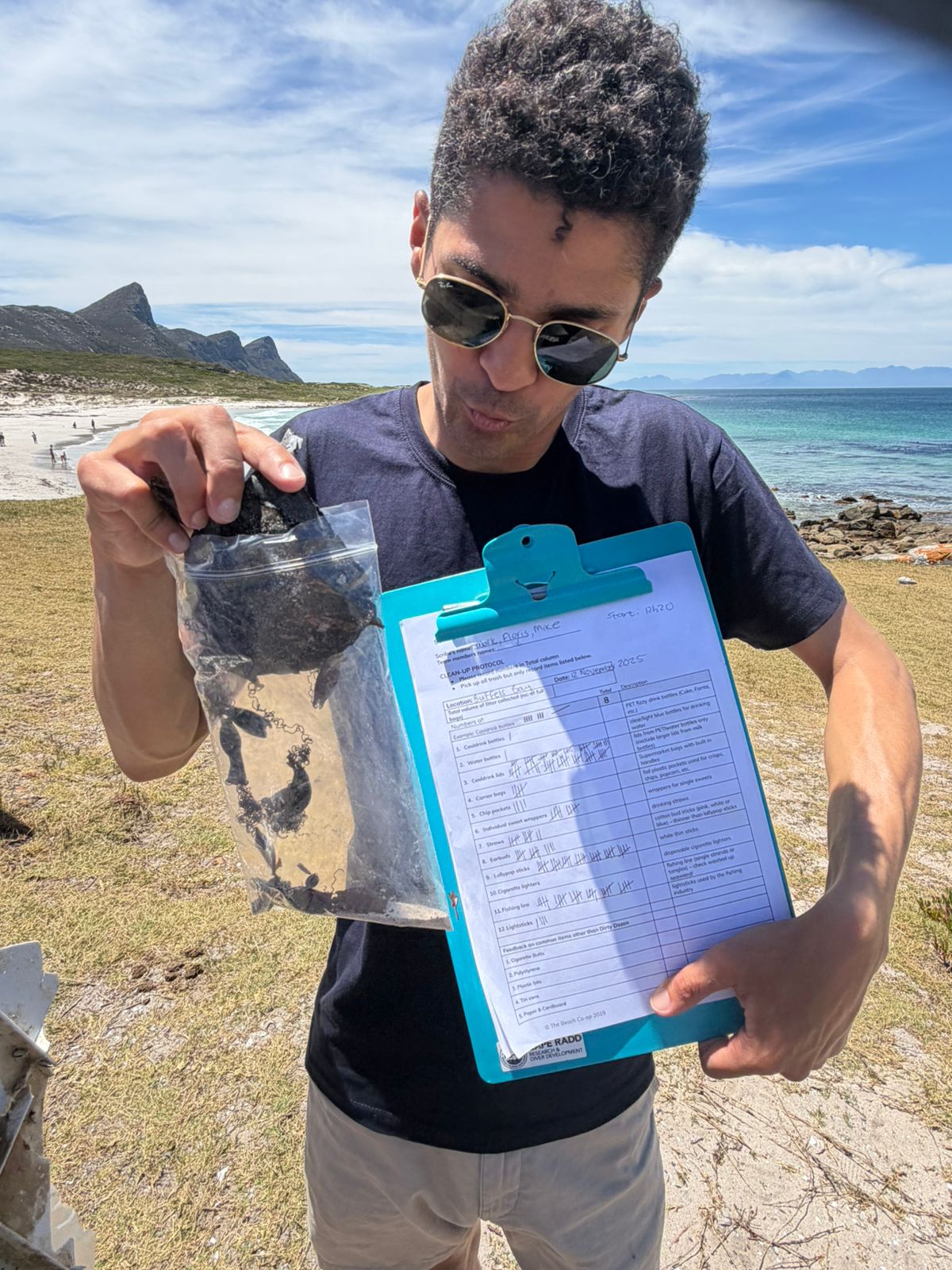
The course will combine lectures, field workshops, capitalising on the rich diversity of ecosystems on the Atlantic and False Bay coastlines of Cape Town. We will spend the initial period exploring the ecology of South African coastal marine ecosystems, in so doing, understanding biogeographic and local patterns and drivers of diversity and ecosystem function, and how this might compare with global marine systems. In the time spent in the field, we focus on field taxonomy of key intertidal and marine species in understanding the ecology, functional roles, and ecological interactions. Students will engage in various approaches to marine field ecology: biodiversity survey techniques, ecological sampling for long-term monitoring, through to passive sampling techniques, including baited remote underwater video (BRUV) systems and Acoustic monitoring.
Learning outcomes
- Skills to conduct intertidal and subtidal field surveys and field taxonomy
- Assess the design and effectiveness of MPAs
- Understand conflicts between fisheries, equity, and conservation.
- Predict climate change impacts on marine systems.
- Compare South African marine systems to global case studies.
- Research skills: present findings in professional formats (reports, presentations, outreach).
Course Deliverables
- Biodiversity Collection: curated taxa samples/photos, uploaded to iNaturalist.
- Science & Society Essay: fisheries as common property and the scientist’s role.
- Capstone Project: team biodiversity survey data analysed and presented.
- Optional: PADI dive certification.
Prerequisites
Students must be in good standing with their home institution, at least 18 years of age, and have a minimum 2.7 GPA. Students applying to the Marine Ecology and Conservation Field Practicum can be undergraduate or first-year graduate students enrolled in marine biology or related programs. Students should have completed at least two semesters of related coursework by the start of the program. If you are unsure if you meet these requirements, please email field.practicum@tropicalstudies.org.
This 4-week course takes place in Cape Town, Elands Bay, and De Hoop.
Weeks 1-2:
The course will spend the initial period exploring the ecology of South African coastal marine ecosystems, in so doing, understanding biogeographic and local patterns and drivers of diversity and ecosystem function and how this might compare with global marine systems. In the time spent in the field, we focus on field taxonomy of key intertidal and marine species in understanding the ecology, functional roles, and ecological interactions.
Field trips to up the west coast to better understand the effects of oceanic upwelling, the ecology of lagoon, important bird areas as conservation indicators, and the socio-economic challenges in sustainable commercial crayfish and pelagic fisheries. Visit De Hool on the South Coast to explore unique intertidal ecosystems, whale and reef fish nurseries, and the role of ecotourism in the form of great white shark diving in contributing to research and conservation.
Week 4: Synthesis & Capstone
The course concludes with a write-up of a capstone project, with students analysing selected data from the biodiversity surveys at each of the locations visited. Students present their data to peers, conservation managers, and local stakeholders at a research symposium in Cape Town.
Weeks 5 (Optional, Additional Cost):
Students have the option to stay for an additional week to complete a PADI diver certification.
Tuition
Program Cost:
4 Week program: $6,000 (possible to extend stay for additional cost)
Program cost includes:
- Room and board
- Local travel to program sites
- Participation of many local and international researchers, experts, and professionals
Program cost does not include:
- International travel
- Independent travel
- Incidentals
- Personal spending
Expected Additional Expenses:
- International Round-trip Flight $1,500 (approx.)
- Immunizations $50 (approx.)
- Additional Food $50 (approx.)
- Miscellaneous $50 (approx.)
Total Expected Additional Expenses: $1,650
Faculty
Laurence Mohr Kruger, Ph.D.
Ph.D. Botany, University of Cape Town
laurence.kruger@tropicalstudies.org
Dr. Kruger is the Director of Curriculum for OTS and is based in Skukuza, Kruger National Park. His primary interests lie in functional ecology and how species respond to disturbance. His interests lie specifically in the demography of woody plants in a variety of South African biomes, the bottlenecks imposed in each system, and which traits are critical in overcoming them. During his Ph.D., Dr. Kruger focused on the importance of re-sprouting in South African coastal forests, fynbos, and savannas. His current work is focused on the impact that elephants and fire have on savannas and how resilient plants and communities might be in response to this disturbance. Allied to this is work on the impact of the loss of vegetation complexity on resident faunal communities. A large portion of Dr. Kruger’s private consulting work has been in the field of conservation, in particular conservation planning. This work has included surveys of natural habitats (biodiversity surveys), identifying the threats (development, habitat transformation, alien vegetation/faunal invasives), and the setting of conservation targets. This work has provided him with the opportunity to become more actively involved in conservation while still engaging on a theoretical level.
Born into a family of biologists and humanitarians, Dr. Kruger has followed his passion for both by running field-based, experiential learning programs in and around South Africa. Given the challenges facing education institutions (lack of resources, limited access to the field) and the barriers to education many students face, he sees OTS’ goal to be the dismantling of these obstacles.
In delivering life-changing, academically rigorous field courses, Dr. Kruger aims for OTS programs to provide experiences that allow for growth in aspirations for students and academics alike. He feels strongly that we need to rethink our role in society and return our focus to humanity, rather than self-actualization, and how we could contribute to others. Aside from focusing on quality, integrity, and creativity, Dr. Kruger has found that the single most important ingredient in education is to have fun.
Housing & Meals
Housing varies with each site. Students will be accommodated in rooms of two to six persons. All meals are provided by our travelling caterers. Provision is made for all dietary requirements, and meals includes breakfast, lunch, and dinner. During field days, a packed lunch will be provided. Any personal snacks and drinks are the responsibility of students.
Passport & Visa Information
You must have a valid passport, and it must not expire for at least six months after the end date of the program. Most students will receive a 90-day tourist visa when entering the country, which will cover you for the length of the program. If you are not a U.S. citizen, please contact us and the South African Consulate to learn what will be required to receive your visa.
Health & Safety
OTS is deeply committed to student safety and well-being. We do not expose students to unnecessary danger or risk. We monitor national and international events that might affect our students. Five decades of risk assessment, emergency response, and crisis resolution have enabled OTS to maximize student safety and security. All students are required to be fully vaccinated against Covid-19, and participate in an onsite orientation program upon arrival in South Africa. For our most current safety information, contact the OTS Enrollment Management staff at field.practicum@tropicalstudies.org.